
Hey! I’m Mike, I go by DJ AXCESS, and I’m a DJ, MC, public speaker, and business coach based in Columbus, Ohio.
Watch the full video here: [YouTube Link]
A multicultural wedding is not just about combining two playlists. It is about understanding how different traditions, musical expectations, timelines, and groups of people need to work together throughout the entire event.
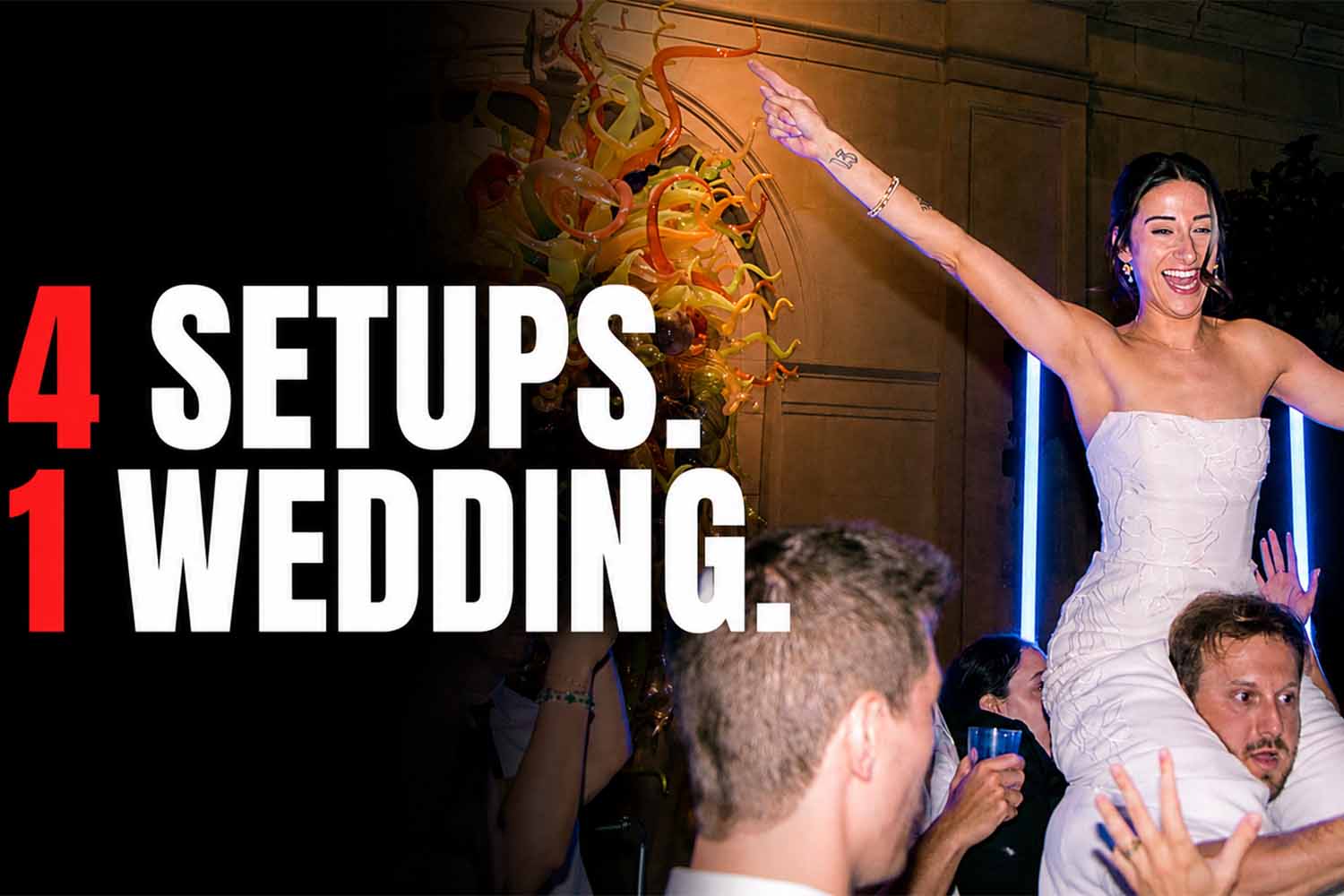
I recently DJed a half-Indian, half-American wedding at the Columbus Museum of Art. It is one of my favorite venues in Columbus, but this event came with more moving pieces than a typical wedding. We needed four different audio setups, a fast room flip, wireless speakers, ceremony microphones, lighting, and a live drum setup.
The final result was a packed dance floor with house music, hip-hop, and guests ready to party from the beginning. What made that possible was not one song or one piece of equipment. It was the planning that happened before the first guest arrived.
Four Setups for One Wedding
This wedding required us to think about the venue as four separate environments.
We had the ceremony in Edwards Court, dinner in another part of the museum, cocktail hour down a long hallway, and the dance floor in the same space that needed to be flipped immediately after the ceremony.
Each space needed to feel connected, but each one had different technical requirements.
The ceremony needed reliable microphones and clear sound for the couple, officiant, and guests. The dinner space needed background music and microphone coverage without bringing in a large traditional speaker system. Cocktail hour needed music in a location that was physically separated from the main reception area. The dance floor needed the full DJ setup, lighting, and enough energy to support a high-impact party.
This is why I do not look at audio as one large setup. I look at what each part of the event needs and build the system around that.
The goal is not to put speakers everywhere. The goal is to make every transition feel intentional.
Planning for a Fast Room Flip
The ceremony and dancing took place in the same room, which meant everything had to move quickly once the ceremony ended.
We knew that the location where we could stage our equipment was far from the final setup area. We also knew we would not have much time to move the speakers, stands, lighting, DJ equipment, and drum into position.
That is why we arrived early and staged as much equipment as possible before the room flip began.
We put speakers on carts, organized the Gravity stands, charged the uplights and tube lights, tested the microphones, and made sure the wireless audio system was already connected. Instead of waiting for the room to become available, we completed every task we could control.
There were still delays. We spent about 30 minutes waiting at the loading dock, and later we waited for access to power inside the venue.
That is normal at large events.
The answer is not to assume everything will go perfectly. The answer is to create enough time and structure that small delays do not affect the guest experience.
Clients may never see that preparation, but they benefit from it when the ceremony starts on time and the dance floor opens without unnecessary confusion.
Using Wireless Audio Throughout the Museum
One of the biggest technical challenges was covering multiple rooms without running cables through the venue.
We used two battery-powered speakers for dinner and cocktail hour, including an EV EVERSE and a JBL speaker. The audio was sent wirelessly through a Shure SLX-D+ system.
The cocktail-hour speaker was positioned far down a hallway from the transmitting equipment. I tested the signal from the main setup all the way to the remote speaker, and the audio remained clear.
That type of wireless system is useful because it allows us to create clean setups in spaces where long cable runs would be difficult, unattractive, or unsafe.
Wireless equipment does not replace proper planning. Every connection still needs to be tested before guests arrive. Batteries need to be charged, frequencies need to be confirmed, and backup options need to be available.
The advantage is flexibility.
We were able to provide consistent audio in several different areas of the museum without making the venue look like a technical production site.
That matters at a wedding. The equipment should support the room without distracting from the design.
Adding Live Drumming to the Dance Floor
This event was also my first opportunity to test a new djembe and drum stand during a real wedding.
The stand allowed me to keep the drum secure while playing behind the DJ setup. I could still position a microphone close to the drum, and the support points kept everything stable during the performance.
I also kept the drum strap attached so I could quickly move away from the booth and play directly in the crowd.
That flexibility is important to the way I perform.
Live drumming should not feel like a separate show that interrupts the party. It should become part of the music and energy already happening on the dance floor.
The new stand worked exactly the way I hoped it would. It gave me a stable playing position while still allowing me to move into the crowd when the moment called for it.
By the end of the night, I knew both the new drum and the stand would become regular parts of my setup.
Bringing Two Cultures Together Through Music
The technical setup was important, but the most important part of the night was still the music.
This couple was bringing Indian and American backgrounds together. That meant the music needed to represent both sides of the room while still creating one shared experience.
Multicultural weddings work best when the music does not feel divided into isolated sections. I want the night to feel connected, even when the genres and traditions are changing.
That requires paying attention to how people respond, understanding when to introduce a different sound, and knowing which parts of each song will create the strongest reaction.
This party did not need a long warm-up. Guests were ready immediately.
We moved quickly into house music, hip-hop, and high-energy selections. The crowd gave us permission to push the pace, so we did.
Reading the room does not mean following a fixed formula. It means recognizing what the guests are ready for and making confident decisions in real time.
What Clients Should Take Away
A complex wedding should still feel easy for the couple.
Four setups, multiple rooms, wireless audio, a room flip, lighting, microphones, and live drumming created a lot of work behind the scenes. The couple and their guests did not need to manage any of it.
That is the real value of preparation.
The equipment matters, but the equipment only works when someone understands how to organize it, test it, and move it efficiently. The timeline matters, but the timeline only works when the vendors communicate and adjust when conditions change.
For me, the goal is always the same. I want the couple to enjoy the celebration they planned while I manage the music, energy, and technical details.
Planning a multicultural wedding or event at the Columbus Museum of Art? Visit my contact page to start the conversation: [Contact Page Link]