
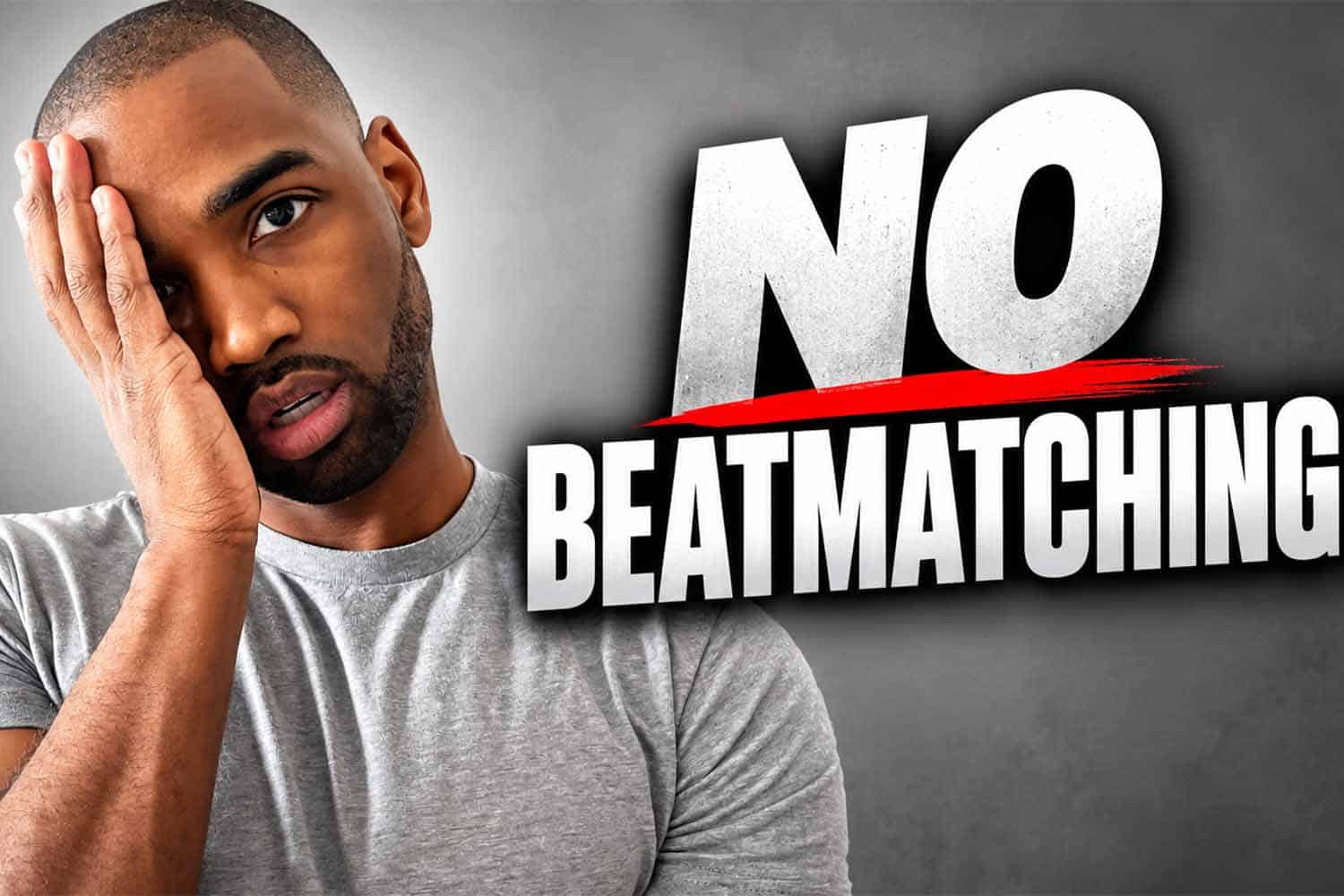
Do You Need to Beatmatch to Be a Great DJ?
Hey! I’m Mike, I go by DJ AXCESS, and I’m a DJ, musician, and public speaker based in Columbus, Ohio.
Watch the full conversation here: [YouTube Video Link]
I believe you can be a great DJ without knowing how to beatmatch.
That’s a statement that a lot of DJs disagree with, and I understand why. Beatmatching is one of the most recognizable technical skills in DJing. It’s something I use regularly in my performances, and it’s a skill I encourage DJs to learn.
But I don’t believe it’s a requirement for being a great DJ.
Recently, I posted a video from a DJ training session where I explained that beatmatching isn’t necessary to be a great DJ. The response was pretty divided. Some DJs agreed with my perspective, while others felt I was giving beginners bad advice.
One of those DJs was Sean Washington, better known as Hey Yo Shon. Sean made a response video challenging my statement.
Instead of continuing the disagreement through Instagram comments, I invited him to have an actual conversation.
We spent about 32 minutes discussing DJ fundamentals, teaching methods, and what it means to be a great DJ.
We didn’t agree on everything, but that’s part of what made the conversation valuable.
What Actually Makes Someone a Great DJ?
Before debating beatmatching, I wanted to establish something important.
How do we define a great DJ?
I’ve been DJing since 2007. Most of my work involves weddings and private events, but I also DJ for professional sports organizations, music festivals, and nightlife events.
Those experiences have shaped how I evaluate DJ performance.
For me, a great DJ consistently delivers a great experience for the people who hired them.
If someone has been DJing for several years, maintains a consistent schedule, has satisfied clients, and creates successful events, I’m comfortable calling that person a great DJ.
That doesn’t necessarily mean they’re a great technical DJ.
It doesn’t mean they can scratch, beat juggle, or execute complicated transitions.
It means they’re accomplishing the job they were hired to do.
Sean sees things differently.
He approaches DJing from what he describes as a purist perspective. He believes great DJs need to develop specific technical fundamentals, particularly beatmatching and mixing.
I respect that perspective. Technical ability matters, and I certainly wouldn’t discourage anyone from developing it.
Where we disagree is whether every great DJ must possess the same technical skills.
Song Selection Comes Before Beatmatching
One of the examples I brought up during our conversation was a DJ who perfectly beatmatches two songs that are completely wrong for the audience.
Imagine you’re playing for a crowd that wants hip-hop, but you’re delivering technically perfect house music transitions.
Does the beatmatching matter?
Not nearly as much as playing the right music.
You can execute a flawless transition and still lose the dance floor.
That’s why I place so much importance on reading the room and selecting the right songs.
At weddings, I regularly move between genres, decades, tempos, and musical styles.
Sometimes a long blend makes sense. Sometimes the best transition is a quick drop into the next song. Sometimes an echo out or simple fade creates exactly the reaction I’m looking for.
The transition should serve the music and the audience.
It shouldn’t dictate what music I play.
Sean actually agreed that reading the crowd is one of the most important skills a DJ can develop. He just believes that technical mixing ability is equally necessary.
That’s an important distinction.
We’re not disagreeing about whether song selection matters. We’re disagreeing about whether beatmatching is required alongside it.
Why I Don’t Teach Beatmatching First
The video that started this entire conversation was taken during someone’s first DJ lesson.
I think that context matters.
The student was learning how to load music, operate the equipment, use the controls, and move between songs.
They weren’t ready to start counting musical phrases, adjusting pitch faders, and matching kick drums.
When I teach someone to DJ, I want them to focus on developing one skill at a time.
Start with understanding the equipment.
Learn how to select songs.
Learn how to manage volume levels and move from one track to another without creating an awkward interruption.
Once those skills become comfortable, we can introduce additional techniques.
I compared this process to the concept of wax on, wax off from The Karate Kid.
Develop a simple movement until it becomes natural, then build on that foundation.
Sean made a fair argument that beginners should understand musical structure, counting bars, phrasing, and beatmatching before they begin performing professionally.
I agree that those skills are valuable.
I simply don’t believe every student needs to learn all of them immediately.
I’ve helped train numerous DJs who have gone on to earn money performing at events. One thing that experience has taught me is that people learn at different speeds.
Some students want to become highly technical performers.
Others want to play music at private events and create enjoyable experiences.
The way I teach should account for those differences.
Can You Rock a Party Without Beatmatching?
During the conversation, I shared an experience from a recent nightclub performance.
I was dealing with a technical problem connecting my laptop through the club’s USB hub.
While troubleshooting, I started playing music directly from a flash drive on the CDJs.
For approximately eight to ten minutes, I wasn’t beatmatching.
I was selecting songs, identifying the right moments to transition, and dropping tracks at the appropriate time.
The party continued.
People were dancing.
The energy didn’t disappear because I wasn’t adjusting a pitch fader.
Now, would I choose to DJ an entire nightclub set that way?
Probably not.
Beatmatching is an important part of my personal performance style. I use it regularly because it gives me more options and allows me to create transitions that fit the energy I’m building.
But that experience reinforced something I already believed.
Beatmatching is a tool.
It’s not the entire job.
Sean challenged whether someone with less experience could achieve the same result. That’s a reasonable question, because my years of experience absolutely influence how I select songs and time transitions.
Still, a beginner who practices transitioning between a carefully selected group of songs can develop those skills without first mastering beatmatching.
The objective is keeping the music and the audience moving.
There are multiple ways to accomplish that.
Different DJ Styles Require Different Skills
Another point we discussed was mixing in key.
Some DJs, especially those performing longer blends in house or trance music, consider harmonic mixing an important part of their performance.
Sean primarily plays hip-hop and R&B, where shorter transitions are common.
He doesn’t believe mixing in key is required for his style.
And I agree with him.
But that’s also how I view beatmatching.
Different styles of DJing place different demands on the performer.
A scratch DJ, wedding DJ, house DJ, and Caribbean-style selector might approach transitions completely differently.
That doesn’t automatically make one approach better than another.
The real question is whether the DJ can execute their chosen style effectively and deliver the experience their audience expects.
Personally, I want as many tools available to me as possible.
I beatmatch. I use quick transitions. I work with different musical keys. I incorporate live instrumentation into performances.
Those skills allow me to respond to different situations.
But I don’t think someone needs to perform exactly like me to be considered successful.
My Advice to Beginner DJs
If you’re learning how to DJ, here’s what I want you to take away from this conversation.
Don’t confuse a particular technique with the overall objective.
Your responsibility is to create the right musical experience for the audience in front of you.
Learn how your equipment works. Develop your song selection. Practice transitioning between songs. Pay attention to volume, timing, and how the crowd responds.
Then continue developing your technical abilities.
Learn beatmatching. Learn phrasing. Explore scratching if it interests you. Understand harmonic mixing and when it can improve your sets.
Every additional skill gives you more creative options.
Just remember that those skills should support the experience you’re creating, not become more important than the experience itself.
I appreciate Sean for taking the time to have this conversation. We came into it with different perspectives, and we left with some of those disagreements still intact.
That’s okay.
One of my goals with this channel is to build a better DJ community together.
That means being willing to have respectful conversations, challenge ideas, and learn from people who approach the craft differently.
Watch the full conversation with Hey Yo Shon and share your perspective.